52 SERVICE/MAINTENANCE
The coolant level should be checked from time to time, and
always before going on a trip.
Should you ever notice a loss of coolant have the cause
promptly corrected by your Grumman Olson dealer.
Checking the coolant level WARNING
• When the engine is hot, the cooling system is
under pressure. Let the engine cool down. If you have to remove the cap from a hot coolant
reservoir, protect your hands, arms, and face against scalding. Use a thick rag and
carefully turn cap only enough to allow excess pressure to escape. Then slowly remove the
cap.
• Heed warnings on pages 46 and 47.
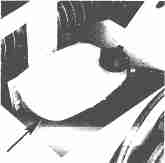
The fluid level should never drop below the filler mark on
the reservoir (arrow) when the engine is cold.
Adding coolant
To maintain the anti-corrosion properties of the coolant,
the anti-freeze concentration should not be reduced, even during the warm season. Always
add anti-freeze and water in the ratio specified on the container of the antifreeze
manufacturer.
Use any quality phosphate-free antifreeze containing
ethylene glycol.
Only for topping-up coolant, a small amount of anti-freeze
containing ethylene glycol and phosphates may
be used, if recommended anti-freeze is not available.
Cold anti-freeze and cold water should only be added when
the engine is cold too.
• After adding coolant, run the engine at idle.
• Wait for the radiator fan to switch on and off
again.
• Check coolant level. Add more coolant if necessary.
Winter operation
At the beginning of the winter season, have the coolant checked
for antifreeze concentration.
The recommended ratio between water and anti-freeze depends
on the anticipated outside temperatures.
Increasing the anti-freeze in the coolant further than
recommended on the container Is not only uneconomical, but detrimental to engine cooling
as well.